
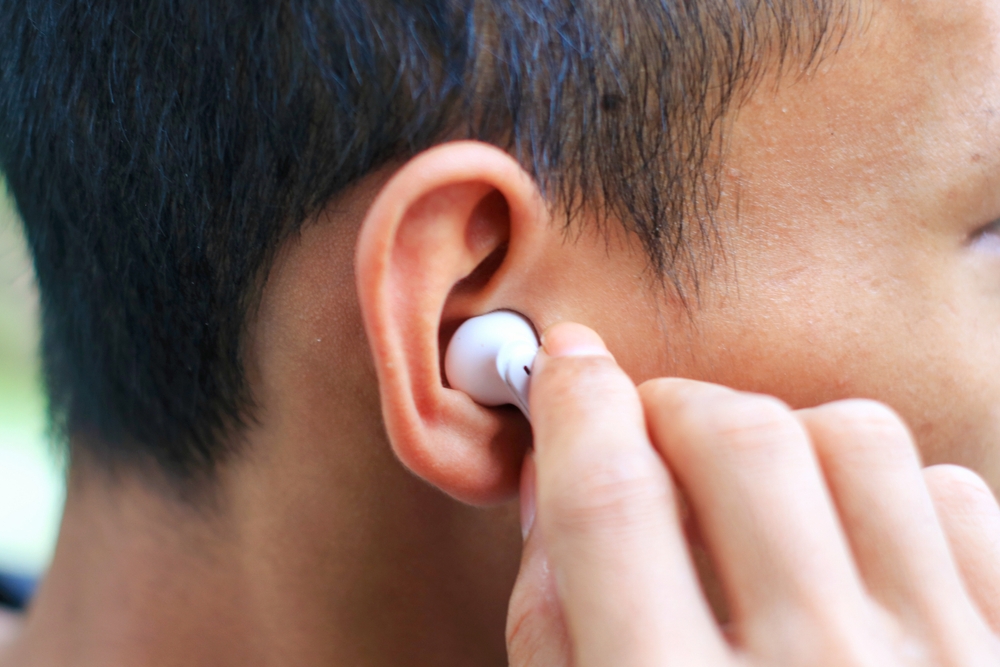
Rarely do we see a young adult in public without an earbud in their ears. While traditional headphones are more substantial in size, adolescents frequently utilize them to create a private acoustic environment. Musical enjoyment knows no age limit, though the younger generation has integrated it more deeply into their daily transitions. Does the immediate physical closeness of these transducers to our ears result in measurable hearing loss? Clinically speaking, the hardware is not the culprit; rather, the risk lies in human behavior and exposure levels.
The Biological Threshold of Auditory Exposure
The psychological impact of music varies, serving to calm the nerves, provide emotional solace, or increase physiological arousal. Much depends on the rhythm and volume of the content being consumed. Utilizing personal audio devices is considered a social courtesy, allowing for private enjoyment in communal spaces. This behavior is socially beneficial, and commuters often report a preference for this shared auditory boundaries on public transit.
The primary clinical concerns center on the precise limits of sound pressure and the length of the listening session. In reality, excessive sound pressure is universally hazardous to the delicate structures of the cochlea. Combining high-intensity sound with extended exposure times can lead to permanent sensorineural damage. Since hearing shifts occur incrementally, the window for prevention has often closed by the time a patient seeks help.
The Key Dangers of Headphones and Earbuds
High volume stands as the most significant threat to the preservation of hearing sensitivity. However, the duration of the exposure matters as much as the volume.
- The National Institutes of Health (NIH) recommends listening at below 70 decibels. Even after long exposure, you won’t have any hearing loss.
- There is a direct correlation between increased sound pressure and the speed of hearing degradation.
- To protect your ears, utilize the 60/60 guideline: never exceed 60% power and rest after 60 minutes of use.
- Protect your hearing by turning down the volume on your device and limiting your exposure.
Warning Signs of Hearing Loss
If you notice muffled speech, struggle with background noise, experience **tinnitus**, or constantly require others to speak up, a professional evaluation is necessary.
Schedule an appointment with our specialists if you believe your auditory health has been compromised.