
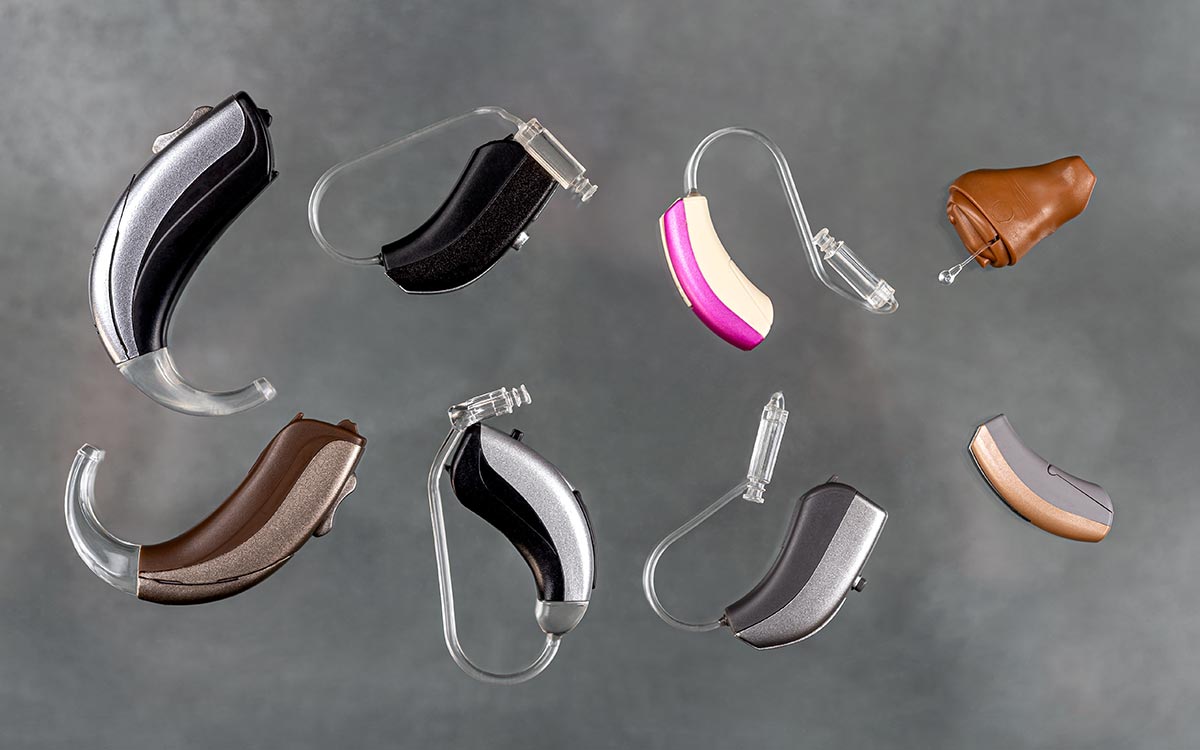
Selecting the right hearing aid can be an arduous task, given the vast array of styles, sizes, and technological features available in modern devices. But no matter your needs, there’s a hearing solution for every lifestyle, preference, and degree of hearing loss. It’s just an issue of finding it!
Feeling certain about your choice begins with knowing how different hearing aids function and compare. Today, we’re breaking down the different hearing aid styles and what makes each one unique.
The ITC (In-the-Canal) Style Explained
Basic Overview:
These hearing aids are positioned partly inside the canal, making them visible only slightly from the outside.
Key Primary Features:
- More subtle than larger models
- Custom-molded for ease
- An effective option for those with moderate hearing needs
These devices are frequently suggested for beginners due to their effective mix of subtle design and user-friendly functions.
Exploring IIC (Invisible-in-Canal) Choices
How they work:
These are the smallest custom-made units on the market today. They are inserted deeply within the canal to remain hidden from view.
User Pros:
- Highest level of discretion for the wearer
- Strategic positioning allows for an incredibly organic listening experience
- Designed for comfort with an incredibly small footprint
Due to their miniature build, these aids are generally recommended for low-to-mid-range hearing loss and users who want total invisibility.
ITE (In-the-Ear) Model Summary
The Basics:
ITE devices are built to stay in the outer ear area, offering two different shell sizes based on your anatomy. These are custom-fabricated for a precise fit based on your ear’s anatomy.
Value Offering:
- The bigger size makes it feasible to include more internal components and longer-lasting batteries
- Simpler to manage for those with dexterity challenges
- Suitable for mild to profound hearing loss
Many people pick ITE devices because they provide a streamlined, self-contained design that doesn’t hook over the ear.
Behind-the-Ear (BTE) Hearing Aids
What they are:
These devices sit on the outer ridge of the ear’s anatomy. Audio moves into the ear canal through a small tube or custom earmold.
Why users select them:
- Offers an enduring and versatile solution for various environments
- Can be programmed to assist users with everything from mild to profound loss
- Provide space for advanced features and rechargeable batteries
The combination of user-friendliness and strong audio makes BTE aids a top contender for many patients.
Modern RIC Models
Mechanical Setup:
RIC hearing aids appear similar to BTE models, but the speaker (receiver) sits inside the ear canal rather than inside the device behind the ear.
Market Interest:
- Very natural sound quality
- Small, lightweight, and comfortable
- Flexible enough to treat a broad number of hearing impairments
RIC units are extremely common currently because they balance appearance with powerful functionality.
Understanding Extended-Wear Solutions
What they represent:
These unique aids are built to stay in the ear canal for an extended period or more, managed by your hearing specialist.
Why people select them:
- Eliminates the need to put in or take out the device every day
- Offers a 100% covert solution for hearing health
- You can go about your whole life—including sports and rest—while wearing them
If you prefer a hearing solution that requires zero daily thought, the extended-wear style is perfect.
Connected Hearing Solutions
What they are:
These are modern units equipped with radio technology to sync with your personal electronics and televisions.
Why go cordless:
- Turn your hearing aids into wireless headphones for all your favorite audio
- Gives you the power to adjust your volume and programs via a smartphone app
- Enhances everyday life by making technology engagement seamless and clear
Bluetooth features are available across many styles, including RIC, BTE, and some ITC models.
Middle-Ear Implants
Procedure Information:
Middle-ear implants are specialized tools that use mechanical vibration to enhance hearing via the middle ear.
Medical Reasons:
- Serves as a critical substitute for those who find no success with traditional amplification
- Pleasant option for chronic ear issues related to traditional devices
Candidates for middle-ear implants must undergo an exhaustive evaluation by an expert specialist.
Choosing the Right Model for You
Since each hearing aid design has distinct assets, the best choice is based on your specific hearing needs, your daily activities, and your aesthetic goals. By consulting a specialist, you can investigate various models and see which one feels most natural to you.
Start traveling toward a world of superior sound by arranging an appointment with an expert specialist. Your future of confident communication starts with this first evaluation.
Sources:
https://www.mayoclinic.org/diseases-conditions/hearing-loss/in-depth/hearing-aids/art-
20044116
https://www.hearinglife.com/hearing-aids/types
https://www.nidcd.nih.gov/health/hearing-aids