
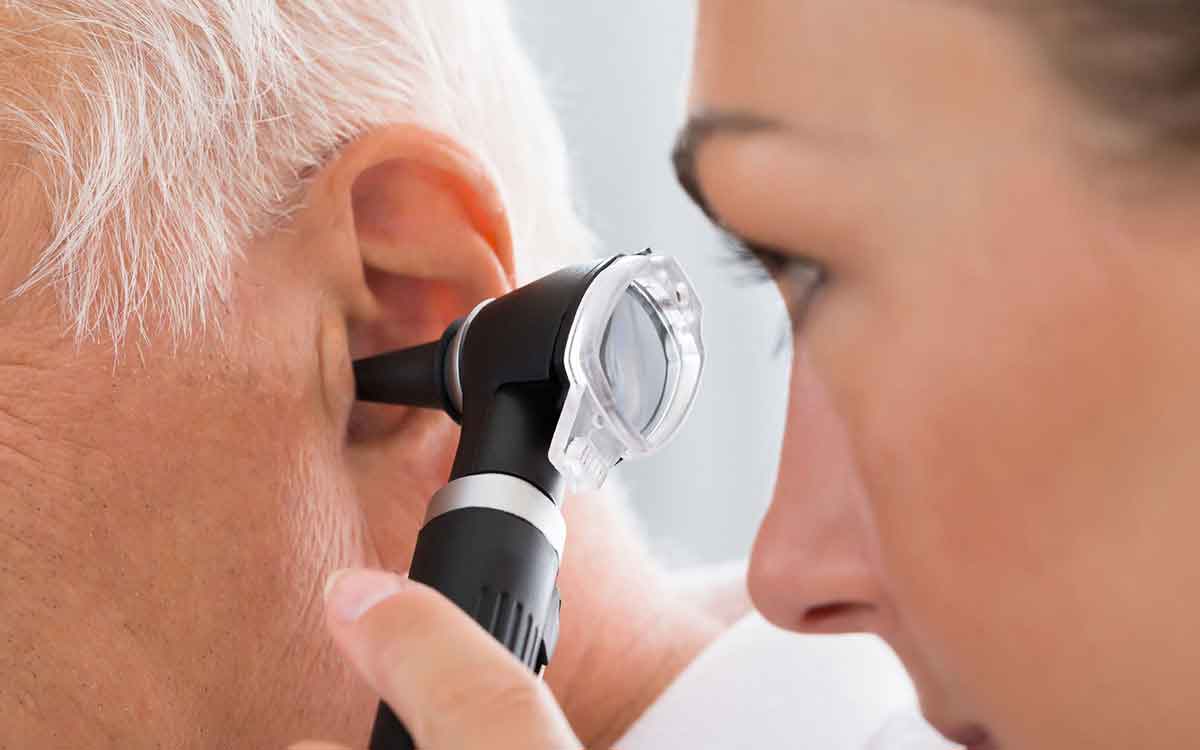
Auditory decline frequently manifests as an incremental process, which often results in the condition being missed during its initial onset. It is common for people to adapt to auditory changes by elevating device volume and steering clear of gatherings with significant background noise.
Seeking an initial evaluation can help with optimizing daily communication.
Primary Signs of Developing Hearing Impairment
If you identify any of these indicators, we suggest scheduling a professional hearing assessment to determine your status.
- Difficulty understanding conversations, specifically in noisy environments with a lot of activity.
- Frequent instances of requesting clarification during daily interactions.
- Muffled or unclear speech, where words sound blended together.
- Turning up the volume on the television and mobile devices higher than others prefer.
- Decreased perception of high-pitched stimuli such as bird songs or doorbells.
- Auditory sensations such as ringing, buzzing, or humming, clinically termed tinnitus.
- Feeling cognitively fatigued after social interactions, resulting from the strain of auditory processing.
- Withdrawing from social gatherings because dialogue has become stressful.
Early symptoms could be present in one or both ears and can fluctuate at first. Because the brain adapts quickly, many people fail to recognize how much they’re compensating until hearing loss advances further.
Understanding Hearing Impairment Through Data
Projection by the World Health Organization suggests that over 700 million individuals will face the requirement for auditory rehabilitation by mid-century. Other relevant statistics consist of:
- By 2050, nearly 2.5 billion people are expected to experience some degree of hearing loss.
- More than five percent of the global community (roughly 430 million people) requires clinical support to manage disabling hearing loss.
- In excess of 1 billion young adults face the threat of permanent hearing loss due to hazardous acoustic habits.
- Among those aged 60 and older, more than one-quarter suffer from clinically significant hearing loss.
The Value of Early Hearing Loss Detection
Failure to address auditory decline can affect systemic well-being and physiological status.
Clinical research connects hearing loss with increased risks of social isolation, depression, cognitive decline, and equilibrium problems.
Timely management offers better long-term prognosis and greater treatment flexibility.
Audiological testing distinguishes between age-related decline, earwax buildup, or underlying infections.
Certain hearing variations remain temporary and resolve with appropriate medical care.
Alternatively, employing safety strategies or hearing technology at the onset can slow the progression of hearing loss.
When to See a Hearing Specialist
A clinical hearing assessment is warranted under the following circumstances:
- Auditory symptoms persist for a duration exceeding several weeks.
- Changes in hearing interfere with work, relationships, or daily activities.
- Experiences with acute hearing loss, vertigo, or chronic tinnitus require prompt clinical attention.
Audiological evaluations are comfortable and safe, yielding essential information into your ear health.
Contact our professional team today if you think you could benefit from a hearing screening.
FAQ: Early Signs of Hearing Loss
Q: Are all auditory changes linked to getting older?
A: No, while aging is a factor, hearing loss can be precipitated by acoustic trauma, infection, or systemic health issues.
Q: Can auditory impairment be clinically reversed?
Answer: Certain etiologies, such as earwax impaction or localized infection, are treatable. Permanent sensorineural hearing loss is typically managed using advanced hearing devices and management protocols.
Q: At what intervals should I have my hearing evaluated?
A: Adults should have a baseline hearing test by age 50, or earlier if symptoms or risk factors are present.