
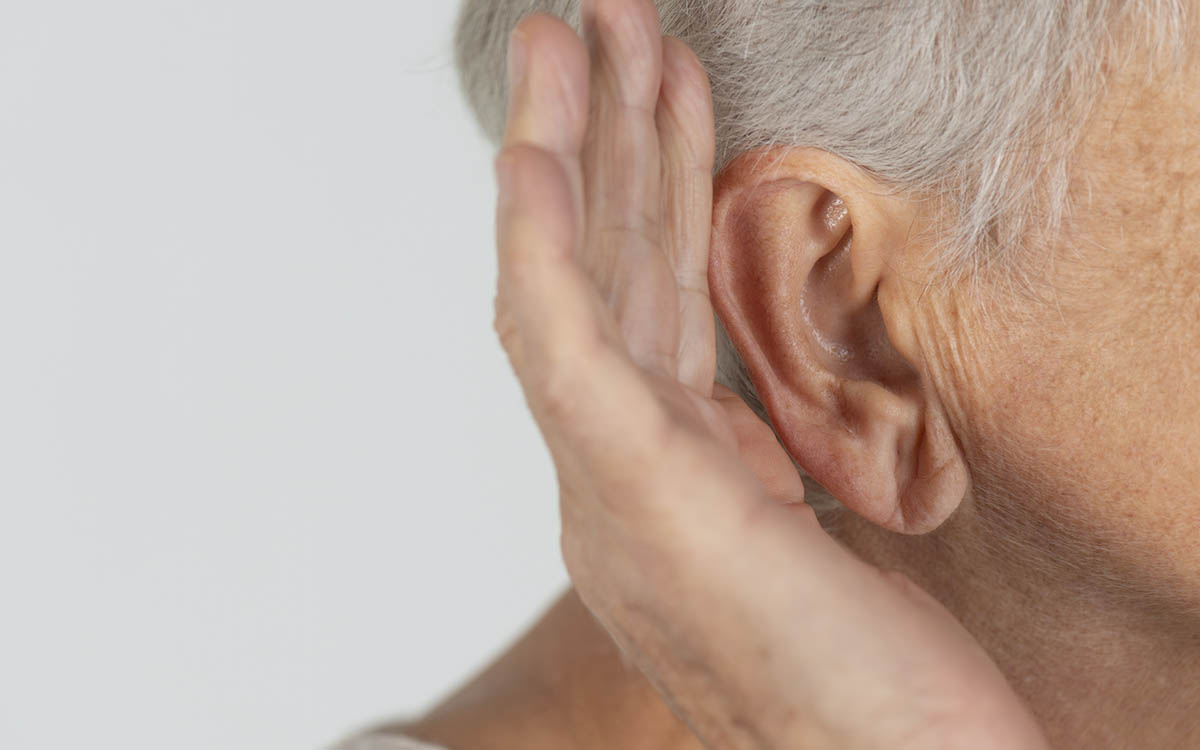
Commonly, clinicians link hearing loss to the aging process, yet for a vast number of citizens, hearing damage begins much sooner. As one of the most prevalent and avoidable types of auditory impairment, noise-induced hearing loss typically progresses slowly, but it often occurs gradually and goes unnoticed until the effects are permanent.
Grasping the longitudinal impact of sound exposure on the auditory system is essential for implementing safeguards prior to the onset of clinical hearing loss.
Pathophysiology of Sound-Induced Ear Damage
Noise-induced hearing loss is characterized by the degradation of intricate inner ear components. According to the Centers for Disease Control and Prevention, auditory impairment may begin with chronic exposure to noise levels over 85 decibels. Louder sounds, like those from concerts, power tools, or firearms, can cause damage in minutes or even seconds.
Within the cochlea are specialized sensory structures referred to as hair cells. These cells convert sound vibrations into electrical signals that your brain interprets as sound. The inability of hair cells to regenerate after trauma explains why noise-induced hearing loss results in a permanent auditory deficit.
Understanding How Hearing Damage Accumulates Over Time
A primary clinical concern regarding noise-induced hearing loss is its typically slow rate of progression. Initial signs of auditory overexposure may present as:
- Temporary ringing or buzzing in the ears (Tinnitus)
- A feeling of muffled hearing after loud events
- Challenges involving speech comprehension within high-noise settings
Initial symptoms may subside, frequently resulting in the incorrect assumption that hearing function has returned to baseline. In reality, repeated noise exposure continues to injure inner-ear structures, steadily eroding hearing precision.
Statistics from the HLAA suggest that 48 million Americans have some form of hearing loss, often without recognizing the contributing factors.
Common Environmental Sources contributing to Auditory Trauma
Modern society is characterized by high ambient noise, which frequently leads to a lack of awareness regarding sound intensity. Consequently, the frequency of hazardous noise exposure is often underestimated.
Potential sources include:
- Live music venues and concerts
- Personal audio devices utilized at excessive decibel levels
- Motorized landscaping equipment, power machinery, and vehicles
- Professional exposure to high-volume noise in manufacturing and labor industries
Because these sounds are often part of daily life, damage can accumulate without clear warning signs.
Why Preventive Efforts Are Clinically Essential
Noise-induced hearing loss is physiologically irreversible, unlike many other health impairments. However, it is highly preventable. The implementation of basic protective protocols can substantially mitigate risk, such as:
- The application of earplugs or attenuation earmuffs in loud areas
- Modulating audio output levels and observing 60/60 rule constraints
- Implementing quiet intervals to permit the auditory system to rest
- Maintaining regular clinical screenings and Audiology visits
Criteria for Expert Audiology Consultation
The presence of chronic Tinnitus, impaired speech recognition, or altered auditory clarity warrants a professional Audiology consultation. Timely professional assessment facilitates the creation of a management plan to maintain long-term auditory health.
Implementing protective measures today safeguards your auditory capacity for the years ahead. Exposure to noise is frequent, yet hearing loss can be successfully avoided through proper care. Please contact our clinic to arrange a professional consultation regarding your auditory health.