
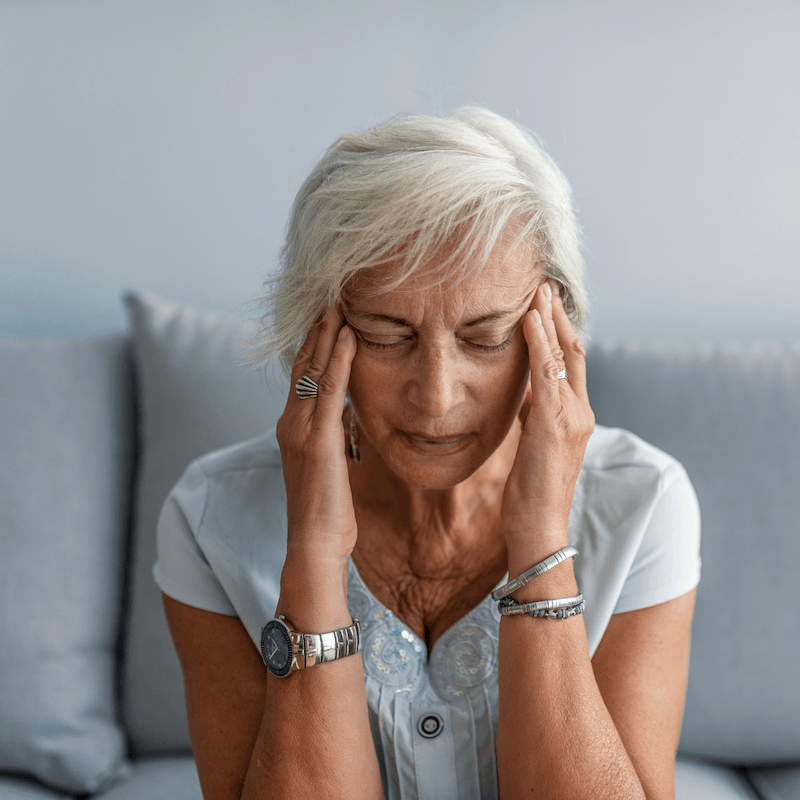
A migraine does not exclusively manifest as acute head pain; rather, a vestibular migraine predominantly impairs equilibrium, motion processing, and spatial orientation. Our practice can evaluate recurring dizziness and determine whether vestibular migraine or another balance disorder may be responsible. Navigating targeted migraine treatment begins with recognizing subtle clinical signs and communicating them clearly to your specialist.
Vestibular vs. Regular Migraines: What’s the Difference?
Vestibular migraine and regular migraine share identical disease mechanisms, but their most prominent physical symptoms vary significantly. Regular migraine attacks typically revolve around unilateral, throbbing head pain of moderate to severe intensity that increases with everyday motion. Nausea, light sensitivity, sound sensitivity, and visual aura may accompany the pain.
The primary presentation of vestibular migraine encompasses episodic vertigo, subjective dizziness, gait imbalance, and motion sensitivity. Patients may experience coexisting head pain, but headache is not an obligatory component of every vestibular episode. Flare-ups can feature an illusory sensation of internal or environmental spinning, head-movement-induced dizziness, and visual vertigo in crowded spaces.
Clinically documented vestibular episodes usually persist for a duration between five minutes and 72 hours. The variability of symptoms from one flare-up to another makes identifying a migraine link less straightforward than tracking head pain.
What Disorders Cause Vestibular Migraines?
A solitary physiological defect has not been proven to cause vestibular migraine on its own. The clinical phenomenon involves shared brainstem and cortical pathways that process migraine pain alongside balance inputs. A personal or family history of migraine and longstanding motion sensitivity may increase susceptibility.
Typical episode triggers encompass the following:
- Irregular resting routines and inadequate nightly sleep
- Missed meals, fluctuating blood glucose, or systemic dehydration
- Psychological tension or the sudden drop in stress levels following high-pressure events
- Menstrual cycle fluctuations or other physiological endocrine changes
- Exposure to bright lights, strobe effects, or visually intricate environments
- Strenuous physical motion, extended travel, and rapid visual screen scrolling
- Alcohol consumption, tyramine-rich foods, MSG, or individual dietary irritants
- Significant changes in barometric weather pressure or acute environmental overstimulation
Clinical Symptoms of Vestibular Migraine Compared to Regular Migraines
Standard migraine attacks are conventionally diagnosed by cephalalgia, yet the clinical picture involves numerous non-pain symptoms. A person may experience nausea, vomiting, visual aura, fatigue, brain fog, neck discomfort, or sensitivity to light, sound, and smell.
The clinical presentation of vestibular migraine may feature:
- Illusory rotational spinning or non-spinning disequilibrium
- Marked balance deficits, physical clumsiness, or postural instability
- Vestibular dizziness elicited by vertical or horizontal head motion
- Acute nausea triggered by passive or active bodily motion
- Visual-vestibular mismatch when navigating crowded shopping aisles, moving traffic, or patterned visual fields
- Dysperceptions of motion such as internal rocking, floor tilting, floating, or gravitational pulling
- Light, sound, or visual sensitivity
- Paranasal or cranial pressure, tension sensations, or classic migraine-type headache
- Temporary sensations of ear canal pressure, fullness, or high-pitched tinnitus
Clinical chronicity, attack longevity, and identifiable triggers assist in separating vestibular migraine from alternative vestibular diseases. Sudden dizziness combined with focal weakness, localized numbness, slurred speech, double vision, loss of consciousness, or gait failure necessitates emergency care.
Experiencing Vestibular Symptoms and Migraine Headaches Simultaneously
Yes, clinical overlap is common. Vertigo and acute migraine cephalalgia can manifest simultaneously during a single attack. Dizziness might manifest as a premonitory symptom before head pain, peak while the headache is active, endure following pain resolution, or strike alone. Some people alternate between headache-dominant and balance-dominant attacks over months or years.
It is not necessary for a vestibular episode to involve headache pain to be directly tied to migraine disease. Keeping a comprehensive symptom log allows you and your physician to identify clinical connections that are hard to recall later. Note the frequency and length of dizziness, headache qualities, sensory changes, menstrual timing, sleep habits, meals, potential triggers, and therapeutic interventions. This diagnostic data empowers your specialist to perform a much more targeted and precise clinical evaluation.
How Physicians Evaluate and Confirm Vestibular Migraine
A definitive diagnosis cannot be established through a single blood draw, MRI scan, or individual vestibular balance test. Diagnosis begins with a detailed description of the episodes and a history of migraine with or without aura. International diagnostic criteria standardly require at least five moderate or severe vestibular episodes lasting between five minutes and 72 hours, with classic migraine symptoms during at least 50% of attacks.
We may perform a neurological, eye-movement, ear, hearing, and balance examination. Depending on the symptoms, testing may include an audiogram, positional testing, vestibular studies, or imaging. These comprehensive assessments allow our clinical team to identify or eliminate alternate conditions that trigger overlapping vertigo. We confirm a vestibular migraine diagnosis strictly when clinical criteria align and alternative vestibular pathologies are ruled out.
Evidence-Based Treatments for Vestibular Migraine
Care plans are individualized to match your specific attack frequency, symptom severity, comorbid headaches, general medical background, and medication tolerances. Patients generally experience the most robust improvement by utilizing both daily prophylactic strategies and targeted abortive medications during flares.
We help build a customized treatment plan, which may include:
- Implementing disciplined daily habits including consistent sleep schedules, regular nutrition, hydration, and exercise
- Systematically tracking, identifying, and reducing exposure to personal migraine triggers
- Utilizing behavioral health interventions, relaxation training, or cognitive stress-management techniques
- Prescribing targeted rescue medications for acute nausea, motion sickness, and related distress
- Controlled, short-term administration of vestibular suppressants during acute, disabling attacks
- Daily preventive medications such as beta-blockers, calcium channel blockers, topiramate, specific antidepressants, or novel migraine drugs
- Customized vestibular rehabilitation therapy to address persistent disequilibrium and visual motion intolerance
Prescription vestibular suppressants must be used with caution, as continuous dosing induces significant sedation and inhibits central vestibular compensation. Medication strategies must be tailored with your physician rather than adapted from friends or family members with migraines. Clinical stabilization often involves gradual pharmacological adjustments alongside diligent, long-term symptom logging.
Contact Us for a Comprehensive Vestibular Migraine Evaluation
Should recurrent dizziness, motion sensitivity, or unsteadiness interfere with your daily routine, book a clinical consultation with our team. We begin your evaluation with a detailed review of migraine patterns, systemic health, and recovery targets, conducting specialized tests to distinguish vestibular migraine from BPPV, Ménière’s disease, and related vestibular issues. Get in touch with our ENT clinic now to request your vestibular migraine appointment.